Humpback Whales Watching Tour
Witness majestic humpback whales in Samana Bay
Overview
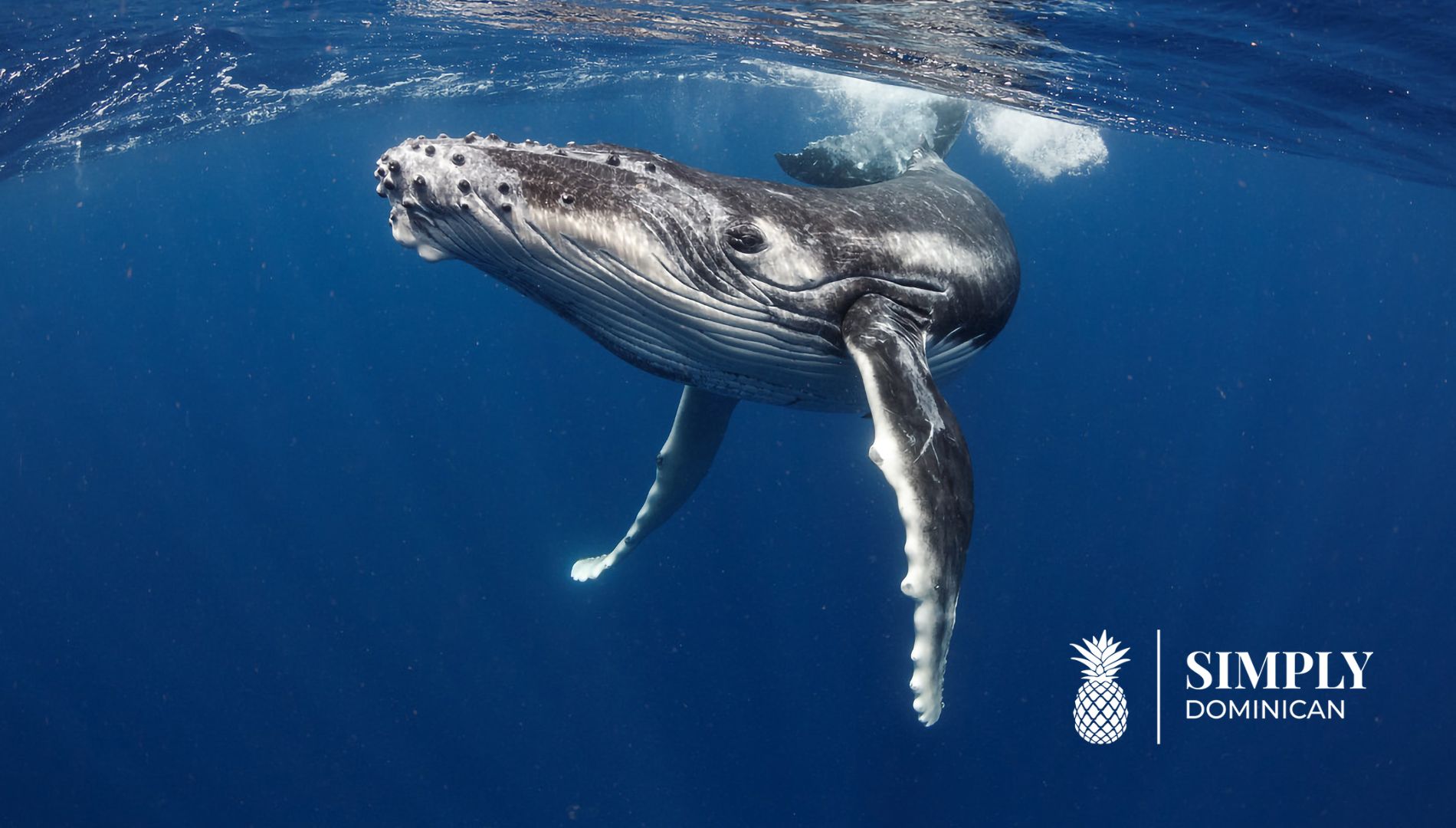
Between January and March each year, Samana Bay transforms into a nursery for thousands of humpback whales. The 40-tonne giants travel from the North Atlantic to these warm, sheltered waters to mate and raise their young. Our boats maintain respectful distances mandated by marine-protection law, yet the whales themselves frequently approach out of curiosity -- giving you close-up views that feel almost cinematic. Add a scenic cross-country drive and a hearty Dominican lunch and you have a day that belongs on every nature lover's bucket list.
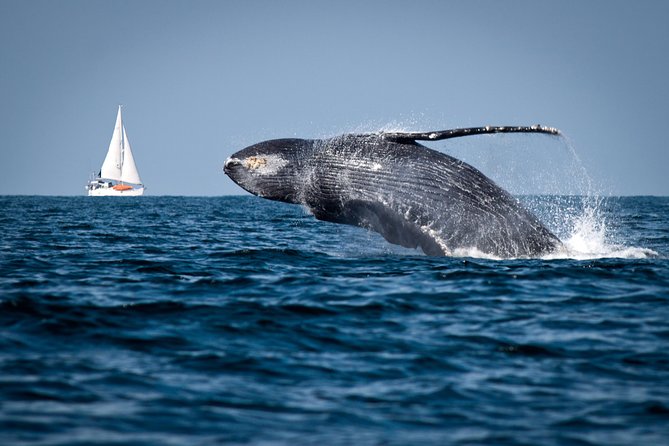
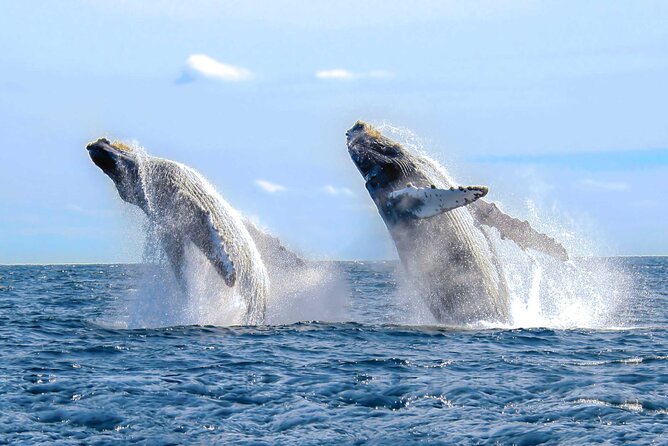
- Watch humpbacks breach, spy-hop, and tail-slap just metres from the boat
- Marine biologists on board explain whale behaviour, songs, and migration routes
- Samana Bay ranks among the planet's top three whale-watching locations
Itinerary
Depart Punta Cana while the sun is still low. The drive crosses rolling cattle country and palm plantations before reaching the Samana Peninsula.
Life jackets on, cameras ready. Your captain heads to the bay's known hot spots while the onboard biologist briefs you on what to look for.
Engines cut, the boat drifts. Watch for the telltale blow, then the arching back, then -- if you are lucky -- a full breach. Guides narrate every behaviour in real time.
Dock for a traditional lunch of rice, beans, grilled chicken, and fried plantains at a local waterfront restaurant. Swap whale stories with fellow travellers.
Back on the water for an afternoon pass. Light and whale positions change by the hour, so the second session often yields different (and sometimes better) sightings.
The scenic drive home gives you time to scroll through your camera roll and relive the day.
What's Included
Included
- Round-trip transportation from Punta Cana
- Boat ride to Samana Bay
- Expert whale watching guides
- Safety equipment and life jackets
- Lunch and refreshments
Not Included
- Souvenir photos & videos
- Personal expenses
- Tips and gratuities
What to Bring
Frequently Asked Questions
When is peak whale season?
Mid-January through the end of March, with February typically offering the most activity. Sighting rates during this window exceed 95 percent.
Will we definitely see whales?
Wild animals can never be 100% guaranteed, but our experienced captains have a 95%+ success rate during peak season. On rare days of poor sightings we offer rescheduling or a partial refund.
Is the boat ride suitable for young kids or elderly guests?
The vessel is stable with covered seating. We welcome all ages; however, anyone prone to motion sickness should take preventive medication beforehand.
What behaviours might we witness?
Common displays include breaching (leaping clear of the water), pec-slapping, tail lobbing, spy-hopping, and mothers guiding newborn calves. Every encounter is unique.
What happens if the sea is too rough?
Safety comes first. In the event of unsafe conditions we reschedule your trip or issue a full refund. Light rain does not normally affect the outing.
Guest Reviews
We counted seven breaches in one morning! The biologist on board answered every question and the crew rotated everyone to the best viewing spot. Bucket-list experience ticked.
The drive is long but so worth it. A mother whale surfaced barely 10 metres from our boat with her calf. Nobody said a word -- pure magic.
Hands down the best wildlife experience I have ever had. The guide's passion for whale conservation was infectious. Everyone on the boat was moved.
You Might Also Like
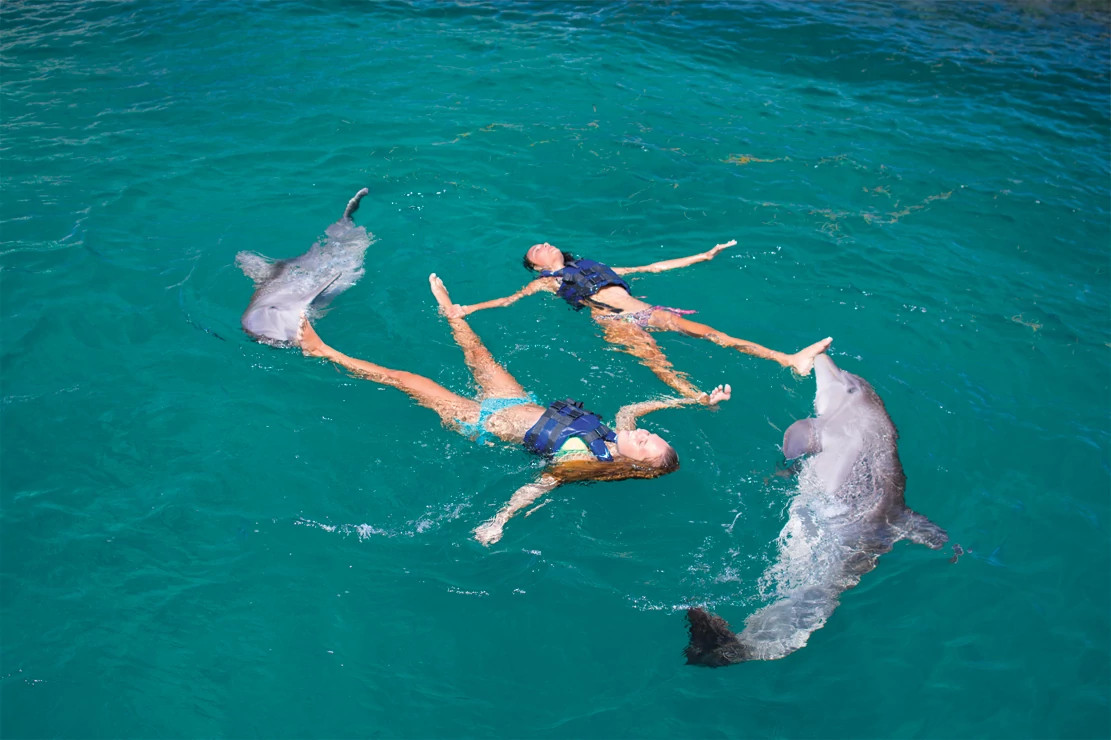
Dolphin Explorer
Get face-to-face with bottlenose dolphins at one of Punta Cana's top marine parks. Choose your own level of interaction ...
View Tour Details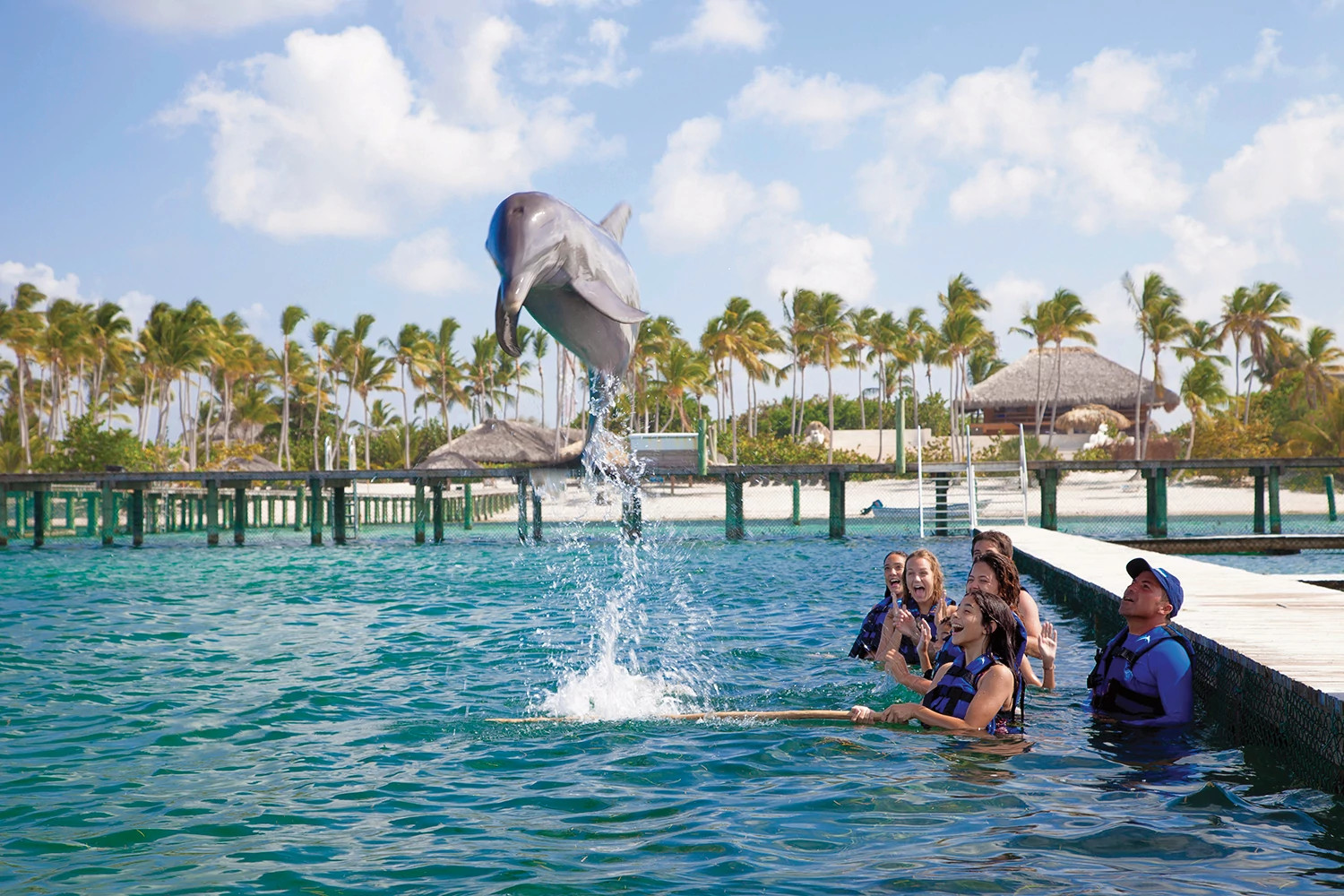
Dolphin Explore - 50 Minutes
Fifty focused minutes with one dolphin in a small group setting. Touch, play, swim, and learn alongside a marine trainer...
View Tour Details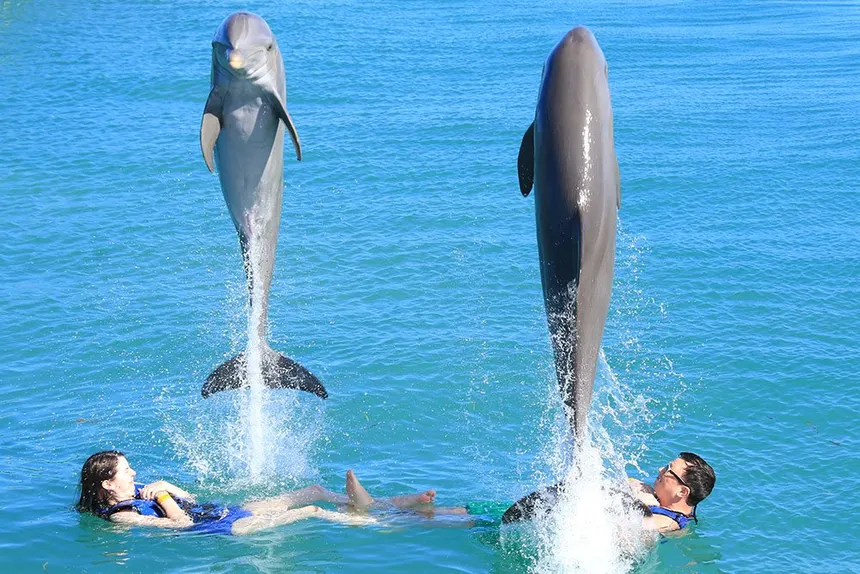
Dolphin Excellence - 60 Minutes
The top-tier dolphin experience: sixty minutes with two dolphins in an exclusive group of six. Dorsal-fin rides, synchro...
View Tour Details